Why Choose Lawn Battery for Your Gardening Needs?
As the gardening industry evolves, more professionals and enthusiasts are turning to innovative solutions. Among these, the lawn battery has gained significant attention. According to a 2022 industry report, the demand for battery-powered garden tools surged by 30% compared to the previous year. This shift highlights consumers' growing preference for eco-friendly options.
Lawn batteries provide advantages that traditional gas-powered tools cannot. They offer quiet operation and reduced emissions, creating a cleaner environment for gardeners and surrounding neighborhoods. Additionally, a study by the Outdoor Power Equipment Institute revealed that battery technology has improved, enhancing power and runtime. These features appeal to homeowners seeking efficiency.
However, some challenges remain. Battery life and performance can vary, leaving users pondering their investment. While advancements are promising, it is essential to consider your gardening needs carefully. Examining the long-term reliability of lawn battery systems is crucial for making informed decisions.

Benefits of Using Lawn Batteries for Gardening Tasks
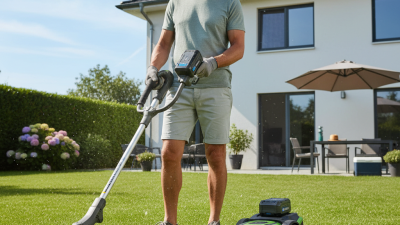
Lawn batteries offer a modern solution for gardening tasks. These batteries are eco-friendly and free from emissions. They provide the power needed for various tools, ensuring quieter operation. For urban gardeners, noise reduction is crucial. A battery-operated trimmer can easily slice through weeds without disturbing the peace.
Using lawn batteries also means lower maintenance. There’s no need for gas or oil changes, reducing the complexity of lawn care. Users often find that charging is straightforward. However, users should monitor battery life. Some may find longer tasks require multiple charges. Yet, this can be managed with a little planning.
Reliability is another advantage of lawn batteries. These tools start instantly and run smoothly. They can handle various tasks, from mowing to edging. Nonetheless, not every battery is created equal. Understanding the specific needs of your garden can guide choices, ensuring optimal performance. Embracing battery technology can transform gardening into a more enjoyable and efficient experience.
Types of Lawn Batteries Available for Garden Equipment
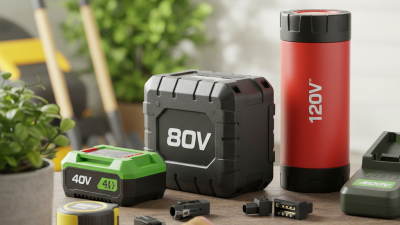
When selecting lawn batteries for garden equipment, understanding the types available is crucial. Lithium-ion batteries are increasingly popular. They provide longer run times and faster charging. Reports show that lithium-ion batteries can last up to 30% longer than traditional lead-acid batteries. This is significant for gardeners needing consistent performance.
Another option is nickel-cadmium batteries. They are durable and effective in a range of temperatures. However, they require more maintenance. The storage life of nickel-cadmium batteries can degrade without regular use. This characteristic highlights the need for careful planning when utilizing these batteries in gardening.
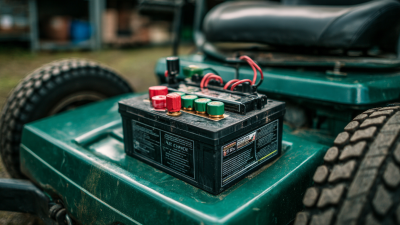
Lead-acid batteries remain a staple, especially for larger equipment. They are cost-effective and reliable. However, they are heavier and less efficient than newer technologies. Research indicates that lead-acid batteries have a shorter lifespan, averaging about 3-5 years. Gardeners should weigh the upfront savings against long-term costs. Each battery type has its strengths and weaknesses. It's essential to consider the specific gardening needs and maintenance capabilities before making a choice.
Why Choose Lawn Battery for Your Gardening Needs? - Types of Lawn Batteries Available for Garden Equipment
| Battery Type |
Voltage |
Capacity (Ah) |
Application |
Charging Time (hrs) |
| Lithium-ion |
36V |
5.0 |
Lawn Mowers, Trimmers |
1.5 |
| Nickel-Cadmium |
24V |
4.0 |
Blowers, Hedge Trimmers |
2.0 |
| Lead-Acid |
12V |
7.5 |
Lawn Tractors |
6.0 |
| LiFePO4 |
48V |
10.0 |
Robotic Mowers |
3.0 |
How Lawn Batteries Enhance Efficiency in Gardening
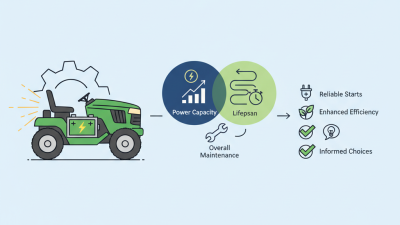
Lawn batteries play a crucial role in modern gardening. They provide reliable power for various tools, making gardening more efficient. With increased battery life and quick charging, these batteries keep your tools ready. This means less downtime and more time spent on your garden.
Using lawn batteries can enhance your gardening experience. Electric tools powered by batteries are quieter than gas-powered ones. This leads to a more peaceful environment while you work. Additionally, lawn batteries are lightweight and easy to handle. This makes them suitable for longer gardening sessions without fatigue.
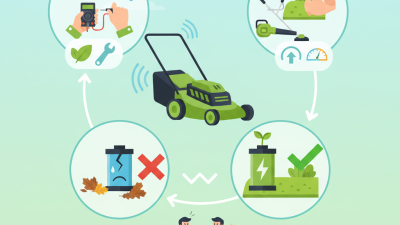
However, there are challenges to consider. Battery performance can vary in extreme temperatures. Some gardeners find that batteries drain faster than expected during heavy usage. Regular maintenance is crucial. Keeping batteries charged and properly stored is essential to ensure longevity. By understanding these aspects, you can maximize your gardening efficiency with lawn batteries.
Efficiency of Lawn Batteries in Gardening
Environmental Impact of Lawn Batteries in Outdoor Maintenance
The shift toward sustainable gardening practices is gaining momentum. Lawn batteries contribute positively to this trend. They produce zero emissions during operation. This innovation reduces the carbon footprint associated with traditional gas-powered tools. According to the Environmental Protection Agency, lawn care equipment emits approximately 5% of the nation's air pollution. Lawn batteries help mitigate this impact significantly.
Lawn batteries use advanced technology to create efficient power sources. Data from the International Energy Agency indicates that the global demand for battery energy storage is set to explode. Rechargeable batteries are becoming a popular choice for eco-conscious gardeners. They allow users to maintain clean and green outdoor spaces without compromising air quality.
Using lawn batteries also prompts a reflection on resource use. While their reliance on electricity is cleaner, sourcing materials for batteries remains a concern. Recycling and proper disposal of old batteries is crucial to minimize environmental harm. The need for education around these practices is evident. A sustainable approach to gardening requires constant evaluation of environmental choices.
Comparing Lawn Batteries to Traditional Gas-Powered Tools
When comparing lawn batteries to traditional gas-powered tools, it's clear that battery-powered equipment offers numerous advantages. Lawn batteries are quieter and produce no harmful emissions, making them environmentally friendly. Users can enjoy a peaceful gardening experience without the loud noise of gas engines. However, battery life can be a concern. Make sure to check battery capacity before starting extensive projects.
Charging times vary. Some batteries can charge quickly, while others may require several hours. It's essential to plan your gardening schedule around these timings. Keep an eye on your battery status to avoid interruptions during your work. A quick charge can save the day, but a dead battery can be frustrating.
Maintenance is another area to consider. Lawn batteries require less upkeep than gas-powered tools. There's no need for oil changes or air filter replacements. However, battery degradation over time is a reality. Store batteries in a cool, dry place for longevity. Regular checks can prevent unexpected failures during use. This proactive approach can make your gardening seamless.