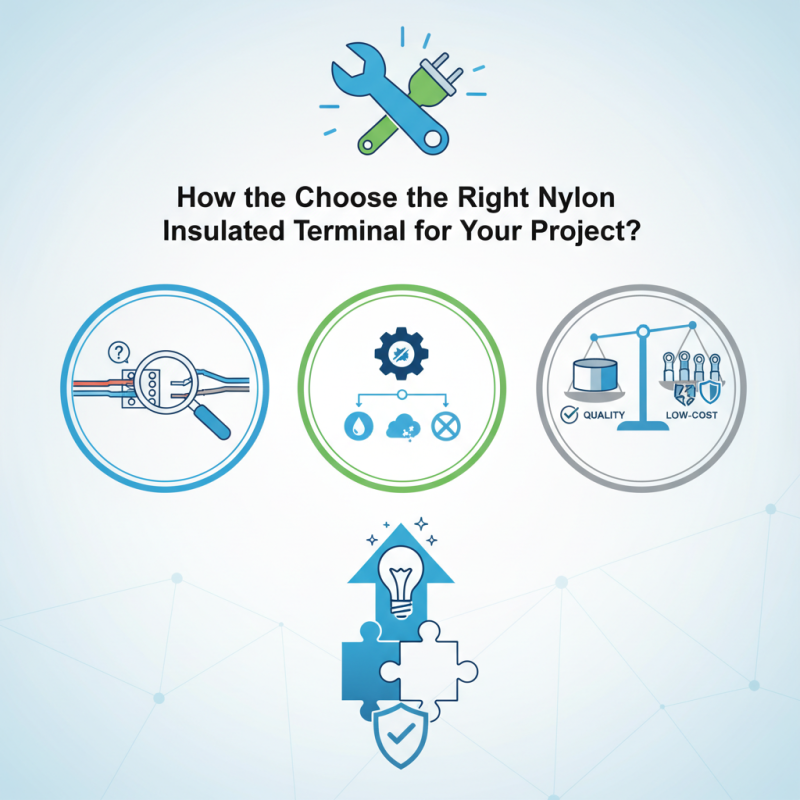
How to Choose the Right Nylon Insulated Terminal for Your Project?
When embarking on an electrical project, choosing the right components is crucial. One key element is the Nylon Insulated Terminal. These terminals are vital for ensuring safe and effective connections. They protect against environmental factors, preventing corrosion and wear. However, not all terminals are created equal.
Consider the sizing and type of terminal you need. Did you know that using an incorrect size can lead to failures? It's easy to overlook this detail. Nylon Insulated Terminals come in various sizes and configurations. Each serves a specific purpose in your project. Choosing the wrong one can be costly and time-consuming.
Always reflect on the quality of the terminals as well. Some lower-quality options may seem tempting, but they might lead to issues down the road. Investing in high-quality Nylon Insulated Terminals is often worth it. Don't rush this decision. Take the time to weigh your options carefully. Each choice influences the success of your project.
Understanding the Basics of Nylon Insulated Terminals
When working on electrical projects, it's essential to understand nylon insulated terminals. These components provide both insulation and protection for wire connections. They are commonly used in automotive and electrical applications. The right terminal can enhance safety and reliability in your project.
Nylon insulated terminals come in various types and sizes. This variety can be overwhelming, especially for beginners. Consider the wire gauge when selecting a terminal. Each terminal is designed for specific wire sizes, ensuring a proper fit. If the match is wrong, it can lead to loose connections and potential hazards. Watch out for quality as well; not all terminals are made the same.
It's also crucial to think about installation. Some terminals may require special tools, which can complicate the process. If you're not familiar with crimping, you might face challenges. Mistakes are common, particularly when under pressure. Take your time to ensure secure connections for optimal performance. Understanding these basics can help you make more informed choices for your projects.
Key Factors to Consider When Selecting Nylon Insulated Terminals
When choosing nylon insulated terminals, several key factors come into play. First, consider the terminal size. It needs to match the wire gauge. An incorrect size leads to poor connections. This can cause overheating and potential failures. Always verify the specifications.
Next, think about the insulation type. Nylon insulation offers excellent durability and resistance to harsh conditions. However, not all projects require heavy-duty insulation. Evaluate whether you need standard or premium materials based on your environment. For outdoor use, look for terminals that can withstand moisture.
Lastly, consider the ease of installation. Some terminals are designed for quick connections. Others may require special tools. If you are inexperienced, simple designs can save time and frustration. Remember, not every terminal is perfect for every task. Research can prevent costly mistakes.
Choosing the Right Nylon Insulated Terminal: Key Factors Overview
This chart illustrates key factors to consider when selecting nylon insulated terminals for your project. The data represents the importance and specifications for various attributes such as temperature rating, wire gauge compatibility, insulation thickness, mechanical strength, and price. Each factor plays a crucial role in ensuring the right terminal choice for optimal performance and safety.
Types of Nylon Insulated Terminals and Their Applications
Nylon insulated terminals are essential components in various electrical projects. They are designed to provide reliable connections in diverse applications, such as automotive, appliances, and industrial equipment. There are several types of nylon insulated terminals, including ring, spade, and bullet connectors.
Ring terminals work well for grounding applications. They ensure a secure attachment to the chassis or other components. Spade terminals offer quick connections and disconnections, making them ideal for frequent maintenance tasks. Additionally, bullet terminals are great for connecting wires in tight spaces, due to their compact design. Each type has its unique benefits, but careful selection is crucial. According to a recent market report, inefficient terminal choices can lead to 30% more downtime in industrial settings.
When considering the right terminal, it is worth noting that not all nylon insulations are the same. Some are rated for higher temperatures, while others offer better resistance to harsh chemicals. Inadequate understanding of terminal specifications can result in connection failures. A thorough evaluation of your project requirements is vital. Ultimately, the right nylon insulated terminal can enhance efficiency and reduce long-term costs.
Determining the Right Size and Gauge for Your Project
Choosing the right size and gauge for your nylon insulated terminals is crucial. The size refers to the dimension of the terminal, while the gauge relates to the wire thickness. An incorrect selection can lead to electrical failures. For example, using a terminal that is too small increases resistance. This can cause overheating and ultimately damage components.
When determining the appropriate gauge, consider the maximum current your project needs. Thicker wires can handle higher currents. However, thicker wires are less flexible and harder to work with. It’s a balancing act. If you pick a wire that’s too thin, it may not support your project load. Always reference charts for wire gauge and current capacity. But be cautious—these charts are guidelines, not absolute.
In practical terms, purchasing a variety of terminals can be helpful. Sometimes, you might find a terminal that seems right but doesn’t fit perfectly. It’s okay to test different sizes. Take notes on what works and what doesn’t. Reflecting on your choices can improve future projects. Understanding sizes and gauges may feel overwhelming, but practice makes perfect.
Best Practices for Installing and Using Nylon Insulated Terminals
When choosing nylon insulated terminals, understanding installation is crucial. Proper techniques enhance performance and longevity. Always use the correct tools. Incorrect tools may lead to poor connections. This could cause failure, requiring rework or repairs.
Before installation, strip the wire ends to the recommended length. Too little exposes excess wire, risking shorts. Too much makes for a bulky connection. Remember to twist the wire strands together tightly. Loose wires can lead to intermittent connections, which are frustrating.
Tips for a strong connection: ensure the terminal fits snugly over the wire. Test the crimp with a gentle pull. If it slips off, re-crimp it. Consider examining connectors after installation. Sometimes, terminals appear fine but fail when under load. Regular checks can prevent unexpected issues.