Essential Tips for Butterfly Valve Maintenance for Buyers
Maintaining a butterfly valve is crucial for its longevity and optimal performance. Proper Butterfly Valve Maintenance ensures that the valve operates smoothly and prevents costly leaks. Buyers often overlook routine care, leading to unexpected failures. Understanding the essential practices for maintaining these valves can save time and money.
Regular inspections play a vital role in effective maintenance. Inspect the seals and actuators periodically to identify wear and tear. This proactive approach helps in addressing issues before they escalate. Additionally, cleaning and lubricating the valve significantly improve its lifespan. Many buyers underestimate the importance of these basic tasks.
It’s also essential to consult experts when encountering complex problems. While some issues may seem minor, they can lead to major complications if ignored. Reflect on past maintenance experiences and learn from them. Implementing effective Butterfly Valve Maintenance practices can build buyer confidence and reliability in their systems.
Understanding Butterfly Valve Components and Functionality
Butterfly valves are essential components in various industries, providing efficient flow control. Understanding their components helps buyers make informed decisions. The key parts include the disc, body, seat, and actuator. The disc is the pivotal element that opens and closes the valve. Generally, it rotates 90 degrees to control the flow. The seat provides a tight seal, reducing leakage. According to a recent report by the International Valve Manufacturers Association, nearly 30% of leakages in pipelines are due to malfunctioning butterfly valves.
Proper maintenance significantly impacts the longevity of these valves. Regular inspections of the actuator, which can be either electric or pneumatic, are critical. Operational failures often stem from wear and tear in the actuator. Data from the American Society of Mechanical Engineers indicates that proper maintenance measures can extend the operational life of butterfly valves by up to 40%. Neglecting these components can result in costly downtime and damage.
Additionally, environmental factors play a vital role. Exposure to extreme temperatures or corrosive substances can degrade components. Research shows that around 25% of valve failures occur due to environmental factors. Buyers must consider these variables during selection and maintenance. Effective management minimizes risks and fosters reliable operations. Keeping a close eye on these aspects is paramount for any buyer dealing with butterfly valves.
Butterfly Valve Maintenance: Key Component Performance
Importance of Regular Inspection and Testing for Butterfly Valves
Regular inspection and testing of butterfly valves are crucial for ensuring long-term functionality. Many users overlook these steps. This can lead to significant issues down the line. Valves that are not regularly inspected may develop leaks or mechanical failures. Spending time on these checks can save money and prevent safety hazards.
It’s important to examine the valve’s performance in different conditions. The valve should operate smoothly and seal properly. Look for signs of wear, such as corrosion or buildup. These details often indicate underlying problems. Remember, a minor issue today could escalate tomorrow. Testing under various pressures and temperatures aids in understanding valve behavior.
Creating a maintenance schedule helps. Consistency is key. However, many forget or postpone this vital task. Use checklists to track inspections. Engage trained personnel to perform in-depth evaluations. Professional insights add depth to your understanding. Regular checks foster reliability, ensuring that the butterfly valve performs as intended over time.
Essential Tips for Butterfly Valve Maintenance
| Maintenance Task | Frequency | Importance | Notes |
| Visual Inspection | Monthly | High | Check for leaks, rust, and valve alignment. |
| Operational Testing | Quarterly | Critical | Ensure the valve opens and closes smoothly without sticking. |
| Cleaning | Biannual | Medium | Remove debris and buildup on the valve body. |
| Lubrication | Annually | Important | Apply appropriate lubricant to moving parts. |
| Replacement of Parts | As needed | Critical | Inspect seals and gaskets; replace if damaged. |
Step-by-Step Guide to Cleaning and Lubricating Butterfly Valves
Cleaning and lubricating butterfly valves is essential for their longevity and reliable performance. Dust, debris, and corrosion can severely affect their functionality. According to industry reports, maintaining valves can improve efficiency by up to 20%. Regular maintenance is crucial for any facility relying on fluid control systems.
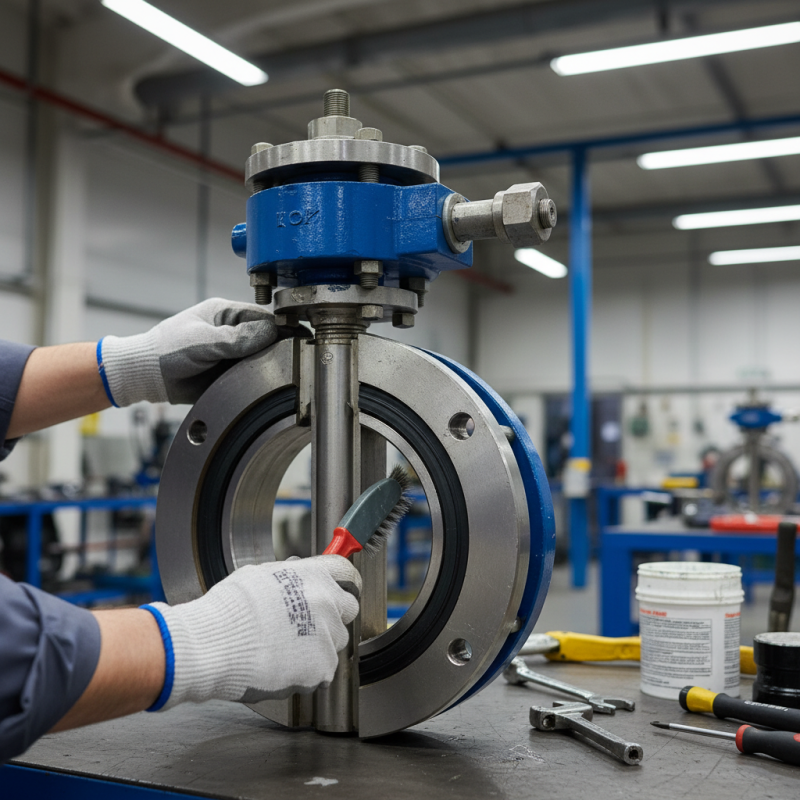
Begin the cleaning process by shutting off the system. Remove any external contaminants using a brush or cloth. Inspect the valve body for signs of wear. For deeper cleaning, disassemble the valve. Soak parts in the appropriate cleaning solution to break down any buildup. When reassembling, check all seals and gaskets for integrity.
Lubrication is another critical step. Use a high-quality lubricant designed for valve applications. Apply it to the stem and hinges but avoid over-lubrication. A well-lubricated valve can operate smoothly without sticking. Remember to document the maintenance performed. This practice creates a reliable history for future reference.
Tip: Schedule maintenance at regular intervals, ideally every six months. Create a checklist for every cleaning task and keep track of any irregularities. Inaccurate records can lead to operational issues. Regular audits of valve conditions can also help to rectify minor problems before they escalate into costly repairs.
Common Issues and Troubleshooting Tips for Butterfly Valves
When it comes to butterfly valves, understanding common issues can save both time and money. One frequent problem is leakage. This can occur due to wear and tear on seals or improper installation. Regularly inspecting the seals can help identify potential leaks before they worsen. A simple visual check can reveal signs of damage.
Another issue often encountered is the valve sticking. This can be caused by debris buildup or corrosion. Cleaning the valve regularly can prevent sticking. If the valve is still hard to operate, consider lubricating the mechanism with an appropriate lubricant. Be cautious; too much lubricant can attract more dirt, exacerbating the problem.
Lastly, ensure the valve operates correctly under different pressures. If it fails under high stress, it may indicate design flaws or compatibility issues. Testing under varying conditions is key. These reflections can help buyers maintain their butterfly valves effectively and avoid unexpected downtimes.
Best Practices for Butterfly Valve Storage and Handling
Proper storage and handling of butterfly valves are critical to their longevity and performance. According to industry standards, valves should be stored in a clean, dry environment, free from dust and debris. Exposure to moisture or contaminants can lead to corrosion, which may compromise their functionality. It’s essential to maintain a controlled temperature between 15°C and 25°C. In some cases, humidity levels above 60% can also impact their integrity.
While many buyers recognize the importance of proper handling, mistakes often occur. For instance, improper lifting techniques can cause physical damage to the valve body. Using straps or slings designed for heavy loads minimizes the risk of such damage. Furthermore, storing valves horizontally is advisable to prevent undue stress on the valve seats. The American Society of Mechanical Engineers (ASME) reports that improper storage can lead to a 10-15% increase in valve failure rates.
Failing to follow these best practices can lead to unexpected costs. Repairs or replacements can be expensive. It’s worth noting that many manufacturers recommend periodic inspections even during storage. Regular checks ensure that any potential issues are identified early. Hence, investing time in proper storage and handling pays off.