Innovative Digital Solar Bus Stops at China Import Export Fair?
As the 139th China Import and Export Fair approaches, innovative advances are on display. The introduction of Digital solar bus stops marks a significant change. These bus stops integrate cutting-edge technology with eco-friendly solutions. They harness solar energy, providing clean power for various digital functionalities.
Visitors can expect to see interactive displays, real-time transit information, and charging stations for electric devices. This initiative promotes sustainability while enhancing the overall experience at the fair. However, there are concerns about the initial costs and maintenance of these systems. Will the benefits outweigh the challenges?
The Digital solar bus stops exemplify the fusion of technology and environment. They reflect a vision of smart urban infrastructure at large-scale events. As we embrace these changes, it is essential to consider their long-term impact on our environment and society. The journey has just begun, and thoughtful reflection will guide future innovations.
The Concept of Digital Solar Bus Stops
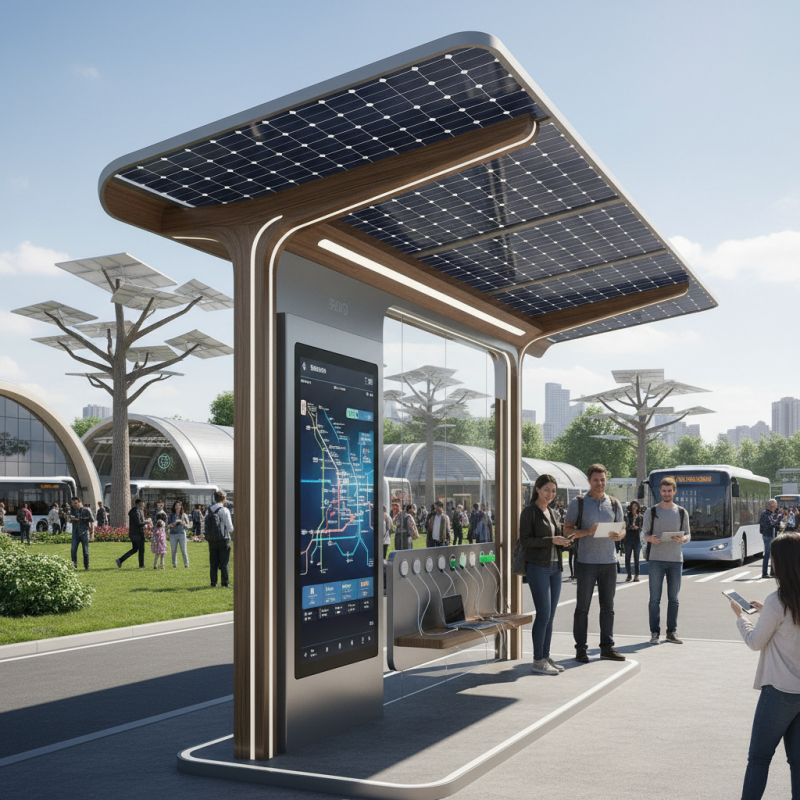
Digital solar bus stops are emerging as a game-changer in urban infrastructure. These innovative stops combine solar energy with smart technology. They provide shelters equipped with touchscreens, Wi-Fi, and charging stations. Commuters can access real-time transit information. This integration enhances the waiting experience.
However, challenges exist. Some locations may not have enough sunlight throughout the year. This can reduce the effectiveness of solar panels. Maintenance may also pose an issue. Regular checks are necessary to ensure everything functions well. If not managed properly, these stops might become non-operational.
Community feedback is crucial. Users might appreciate the technology but feel inconvenienced by maintenance delays. It’s essential to strike a balance. Engaging with the community can reveal their needs. This can help in refining the design and functionality of these bus stops.
Innovative Digital Solar Bus Stops at China Import Export Fair
| Feature | Description | Advantages | Implementation Status |
| Solar Panels | Harnesses solar energy to power bus stop facilities. | Renewable energy source, reduces electricity costs. | Pilot projects in major cities. |
| Digital Display | Real-time arrival information and notifications. | Improves passenger experience and information accessibility. | In development with software integration. |
| Wi-Fi Connectivity | Provides free Wi-Fi to commuters waiting at bus stops. | Enhances user satisfaction and connectivity. | Being tested in select urban areas. |
| Smart Lighting | LED lights that adjust based on the time of day. | Energy-efficient and increases safety at night. | Implemented in select installations. |
Features and Innovations of Solar Bus Stops
The innovative digital solar bus stops at the China Import Export Fair highlight sustainability. These bus stops harness solar energy, providing a practical solution for clean energy. They can operate independently without relying on the grid, leading to reduced energy costs and a lower carbon footprint.
Equipped with digital screens, the bus stops offer real-time information. Users can check bus schedules and local news. However, some issues arise. Digital screens may malfunction due to extreme weather conditions. This raises questions about reliability and maintenance.
Tips: Ensure regular maintenance checks on solar panels. Monitor the performance of digital screens to prevent outages. Community engagement is essential. Gathering feedback from users can improve the service experience. Overall, while these innovations are promising, ongoing evaluation is necessary to enhance functionality and user satisfaction.
Features and Innovations of Solar Bus Stops
Sustainability and Environmental Impact
At the China Import Export Fair, innovative solar bus stops were introduced. These stops are designed to harness solar energy. They provide charging stations for electric vehicles and also power LED displays. The use of renewable energy sources marks a step towards sustainability.
However, the environmental impact remains a topic of discussion. While solar energy is clean, manufacturing these stops may involve certain materials. There’s a need for recycling programs to address this issue. Some critics argue that these stops could attract litter, counteracting the eco-friendly goal. We need to find ways to encourage cleanliness.
Community engagement is crucial in making these stops successful. Educating the public about their benefits can foster responsible use. Incorporating features like real-time transportation information might increase foot traffic. Yet, it’s essential to consider maintenance challenges. Weather conditions could damage equipment, requiring frequent repairs. Exploring durable materials can enhance longevity and effectiveness.
Implementation at the China Import Export Fair
The implementation of innovative digital solar bus stops at the China Import Export Fair marks a significant step in sustainable urban infrastructure. These bus stops harness solar energy, providing efficient lighting and real-time transit information. Reports indicate that solar energy can reduce operational costs by up to 75%. This clean solution aligns with global sustainability goals.
However, not all is perfect. Some users may find the technology confusing. Transitioning from traditional stops to digital interfaces requires an adjustment period. Additionally, remote areas might face challenges in users' tech-savvy levels. Research shows that effective public transport relies heavily on user experience and feedback. Without addressing these concerns, the initiative may fall short of its potential.
Data from recent studies highlight that smart transit solutions can increase ridership by 30%. Yet, the success hinges on proper implementation. Ensuring maintenance and reliability remains a priority. Challenges like weather durability can affect performance. Each aspect needs thorough examination. Engaging the community in this dialogue will be crucial for refining these innovations.
Future Prospects for Smart Urban Mobility Solutions
As urban areas grow, the demand for smart mobility solutions increases. Innovative technologies like digital solar bus stops are transforming public transit. These stops not only harness solar energy but also provide real-time information to passengers. This fusion of technology and sustainability can significantly enhance the urban experience.
Imagine waiting at a bus stop that adjusts to passenger needs. It can show arrival times, weather updates, and even local events. However, these systems may face challenges. Not every location will have access to reliable solar energy. Maintenance can also pose an issue, as technology often requires regular updates.
Tips: Consider the location's sun exposure before installation. Regular checks help maintain functionality. Engaging with local communities can provide feedback on user experience. The future of urban mobility looks promising, though constant reflection is necessary to improve these systems. Balancing innovation with practicality is a continuous journey.