Mccb Dc Breaker Essential Tips You Need to Know?
In today's rapidly evolving electrical industry, the importance of understanding the Mccb Dc Breaker cannot be overstated. Market research indicates that the global circuit breaker market is projected to reach $18 billion by 2027, with significant growth in DC applications. This surge highlights the need for reliable and efficient MCCB DC breakers in modern systems.
Proper installation and maintenance of MCCB DC breakers can prevent significant failures. Recent studies show that inadequate knowledge of these devices has contributed to a 20% increase in electrical incidents over the past five years. Despite efforts, many professionals still lack awareness of critical features and operational parameters.
Understanding MCCB DC breaker specifications is essential for optimizing safety and performance. There's a gap in education where basic concepts are often overlooked. This knowledge shortfall could lead to oversights in applications, increasing risks to equipment and personnel. Addressing these issues is not just beneficial; it's imperative for the safety of electrical systems.
Understanding MCCB and DC Breakers: Key Definitions and Functions
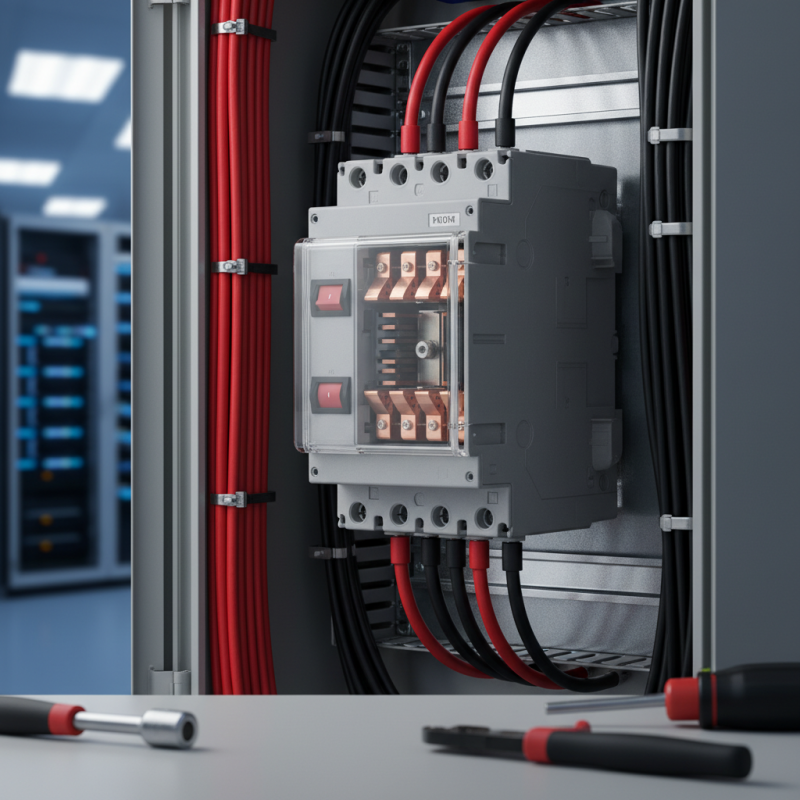
MCCBs, or Molded Case Circuit Breakers, and DC breakers are crucial for protecting electrical circuits. These devices help prevent circuit overloads, short circuits, and equipment damage. According to the International Electrotechnical Commission (IEC), MCCBs can handle currents from 16A to 2500A. This range makes them suitable for various applications, from residential to industrial settings.
Understanding their functions is vital. MCCBs detect abnormal conditions and interrupt circuits to ensure safety. They operate automatically upon detecting faults. DC breakers serve a similar purpose but are designed for direct current systems, often found in renewable energy setups. Research indicates that global demand for DC breakers is rising, particularly due to the growth of solar energy installations. In fact, the market for DC protection devices is projected to grow by over 6% annually.
While these breakers are essential, users must be aware of their limitations. Improper installation can lead to failures, which may result in costly repairs. Regular maintenance checks are necessary but often overlooked. Many users assume that once installed, these devices require no further attention. This is a misconception that leads to safety hazards and equipment downtime.
How MCCB and DC Breakers Differ: A Comparative Overview
MCCBs and DC breakers play vital roles in electrical systems. Their design and functionality differ significantly. MCCBs, or Molded Case Circuit Breakers, are widely used in AC systems. They can handle overloads and short circuits effectively. These devices serve as protection for motors and machinery.
On the other hand, DC breakers are essential in direct current applications. They protect systems in solar power and electric transportation. The main difference lies in how they interrupt current flow. MCCBs employ mechanical action to break the circuit, while DC breakers use magnetic fields. This distinction is crucial to consider when selecting the right breaker for your application.
Understanding these differences can prevent failures. Many overlook the specific needs of their systems. Failing to choose the proper breaker may lead to increased risks. Prioritize your system’s requirements to ensure safety. Always cross-check voltage ratings and interrupting capacity. This step will boost reliability and efficiency. A small mistake can result in significant consequences.
Essential Installation Guidelines for MCCB and DC Breakers
When it comes to installing MCCB and DC breakers, there are key guidelines to follow. Proper installation is vital for safety and efficiency. Before beginning, ensure you have the right tools and personal protective equipment. This sets a good foundation for the job.
Tips for installation include checking the voltage ratings carefully. Incorrect ratings can lead to failure. Also, ensure that connections are tight and secure. Loose wiring can create sparks or fires, which can be catastrophic. Double-checking your work is not just recommended; it is essential.
Another tip is to consider the environment where the breaker will be installed. Factors such as temperature, humidity, and dust can affect its performance. Yet, it's easy to overlook this aspect. Some might think they can skip this step, but it could lead to significant issues later on. A thorough understanding of these factors is crucial for a successful installation.
MCCB and DC Breaker Comparison
This chart illustrates the voltage ratings of different types of MCCB and DC breakers. Understanding the voltage capabilities can help you choose the right breaker for your electrical system.
Maintenance Tips for Enhancing the Lifespan of Your Breakers
Proper maintenance of MCCB DC breakers is crucial for reliable performance. Regular checks can significantly enhance their lifespan. According to industry reports, poorly maintained breakers contribute to up to 30% of unexpected outages. This statistic highlights the importance of proactive care. Simple tasks like cleaning and tightening connections can prevent many issues.
Another essential tip is to monitor operating temperatures. Breakers should not exceed a specific threshold, typically around 60°C. High temperatures can degrade components, leading to early failure. Regular inspections can identify overheating before it causes damage. It's tempting to overlook minor signs, but ignoring them can lead to costly repairs.
In addition, checking for signs of wear is vital. Look for discoloration or unusual noises during operation. These can be indicators of impending failure. Regularly replacing worn components can extend the life of your breakers. Taking a few extra moments to inspect these aspects could save time and money in the long run.
Safety Precautions When Working with MCCB and DC Breakers
Working with MCCB (Molded Case Circuit Breakers) and DC breakers requires a high level of caution. These devices are crucial for ensuring electrical safety, yet they pose serious risks if mishandled. Always wear appropriate personal protective equipment, such as gloves and safety goggles. It’s easy to overlook these basics, but they are vital.
Before starting any work, ensure the breaker is de-energized. Use a multimeter to confirm power is off. Many accidents happen when people assume everything is safe. Leave no room for assumptions—always double-check. Be aware of your surroundings as well. Cluttered workspaces can lead to mistakes. Focus on one task at a time to minimize distraction.
Keep in mind the importance of clear labels on equipment. Misreading can lead to dangerous situations. It’s essential to understand how each component functions. Take the time to read manuals or ask for guidance. Rushing through instructions can result in oversights. Many professionals often skip this step. Understanding safety protocols should be a priority.