Sealed Lead Acid Battery Tips for Longer Life and Performance?
Sealed lead acid batteries power countless devices. Their longevity and performance are essential for many applications. Industry expert Dr. John Parker states, “Proper care can significantly enhance battery lifespan.” This highlights the importance of maintenance in ensuring these batteries function optimally.
Understanding the nuances of sealed lead acid batteries is crucial. Regular checks can uncover underlying issues. Factors like temperature and charging habits play a significant role in battery health. Many underestimate how slight adjustments in usage can yield better performance.
Yet, even with the best practices, challenges remain. Users often neglect simple maintenance tasks. This neglect leads to shorter battery life and unexpected failures. Investing time in understanding these batteries can pay off. Ultimately, a little effort can lead to enhanced reliability and efficiency in various applications.
Understanding Sealed Lead Acid Batteries: Basics and Applications
Sealed lead acid (SLA) batteries are widely used in various applications. They provide reliable power in many devices. Common uses include emergency backup systems, alarm systems, and electric vehicles. Understanding the basics can help users maintain these batteries effectively.
SLA batteries feature a sealed construction, which minimizes leakage. They are generally maintenance-free and can last for several years. However, improper usage can lead to reduced lifespan. Users should avoid deep discharges, as this can shorten battery life significantly. Frequent partial discharges can also be harmful, leading to sulfation. Each time you use the battery, watch for voltage drops; they can be telling signs of battery health.
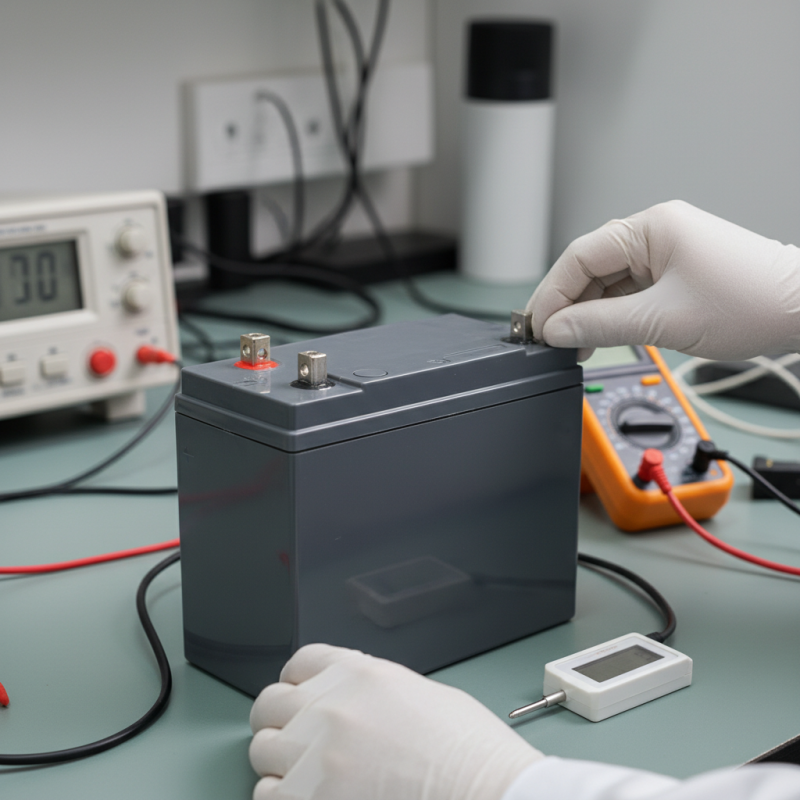
Charging needs attention too. An overcharged battery can produce gas and decrease performance. It’s important to use the recommended charging voltage. Regularly inspect terminals for corrosion. Clean them carefully to ensure good conductivity. Not all batteries need the same care, and neglect can lead to unexpected failures. Each setting is unique and might require different strategies for optimal performance.
Sealed Lead Acid Battery Tips for Longer Life and Performance
| Parameter |
Description |
Optimal Value |
Impact on Battery Life |
| Temperature |
Ideal operating temperature |
20-25°C (68-77°F) |
Extreme temperatures can reduce capacity and lifespan. |
| Charge Voltage |
Optimal charging voltage range |
13.5-14.5V |
Overcharging can cause gassing and shorten life. |
| Discharge Depth |
Recommended depth of discharge for longevity |
<30% |
Deeper discharges decrease cycle life. |
| Charging Frequency |
Frequency of recharging cycles |
Regularly after discharge |
Regular charging maintains health and performance. |
| Maintenance |
Periodic checks on battery condition |
Regular intervals |
Good maintenance extends lifespan. |
Factors Affecting the Life Span of Sealed Lead Acid Batteries
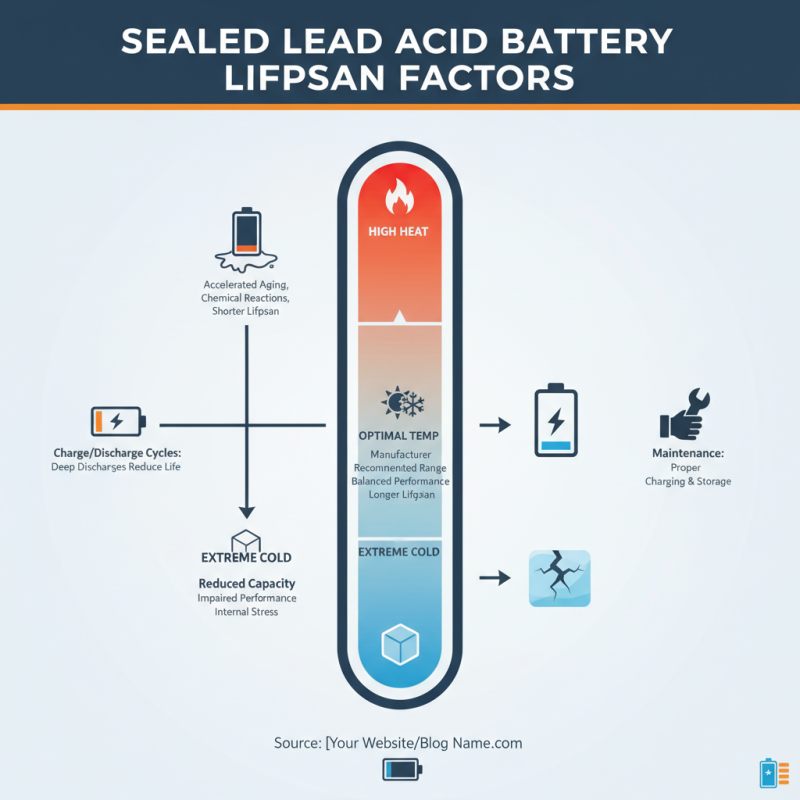
The lifespan of sealed lead acid batteries can be influenced by several critical factors. One primary aspect is temperature. Batteries exposed to high heat can suffer from accelerated aging. Heat increases the rate of chemical reactions inside the battery, leading to shorter life. Conversely, extremely cold conditions can reduce capacity and affect performance. It’s essential to store and use batteries within the manufacturer’s recommended temperature ranges.
Another important factor is discharge depth. Regularly discharging the battery to very low levels can damage it. A shallow discharge cycle is generally better to prolong battery life. Aim to keep the battery charged around 50% when not in use. Overcharging can also harm the battery’s life. Monitoring the charging process is essential, as excessive voltage can lead to gas release and permanent damage.
Regular maintenance of the battery can make a difference as well. Dirt accumulation on terminals can lead to poor connections. Clean terminals can help maintain good electrical flow. Additionally, checking for any signs of corrosion is a must. Sometimes, reflection on usage habits reveals patterns that may impact battery health negatively. Adjusting these habits can improve overall performance.
Best Practices for Charging Sealed Lead Acid Batteries
When charging sealed lead acid (SLA) batteries, it's essential to follow best practices for optimal performance. Improper charging can shorten battery life. Always use a charger specifically designed for SLA batteries. A mismatched charger can lead to overcharging or undercharging, harming the battery.
Consider charging at a controlled temperature. Extreme heat or cold can negatively impact charging efficiency. Ideally, the temperature should be stable and moderate. Monitor the battery's voltage during charging. This helps to ensure that it does not exceed recommended levels.
Here are some tips for maintaining your SLA battery:
1. Charge after use. Letting the battery discharge fully can reduce its lifespan.
2. Avoid frequent deep discharges. Shallow discharges are healthier for the battery.
3. Store the battery properly. If not in use, keep it in a cool, dry place.
Keeping these practices in mind can help avoid early failures. Reflect on your current charging routine. Are you providing enough attention to detail?
Sealed Lead Acid Battery Performance and Lifespan
This chart illustrates the capacity percentage of a Sealed Lead Acid (SLA) battery across five discharge cycles. Proper charging practices and maintenance can significantly enhance the longevity and performance of these batteries.
Tips for Storing Sealed Lead Acid Batteries Safely
When storing sealed lead acid batteries, safety is crucial. Batteries should be kept in a cool, dry place. Ideal temperatures are between 20°C and 25°C. Higher temperatures can reduce capacity. A study showed that every 10°C increase can decrease battery life by about 50%. Regularly checking the batteries for leaks is essential. Any sign of corrosion or damage should prompt immediate action.
Proper ventilation is also important. Batteries can produce gases that may become harmful. Ensure the storage space has enough airflow. Additionally, keeping batteries charged can help maintain their performance. A charge level of around 50% is often recommended. Leaving them fully discharged can lead to sulfate crystals forming, impacting future use.
Labeling storage bins clearly is another effective strategy. This reduces confusion and mistakes when retrieving batteries. It’s also vital to keep batteries away from metal objects. Short circuits can easily occur, leading to safety hazards. Assessing your storage conditions periodically can reveal potential issues. Reflect on whether your current setup is truly adequate.
Common Issues and Solutions for Sealed Lead Acid Battery Maintenance
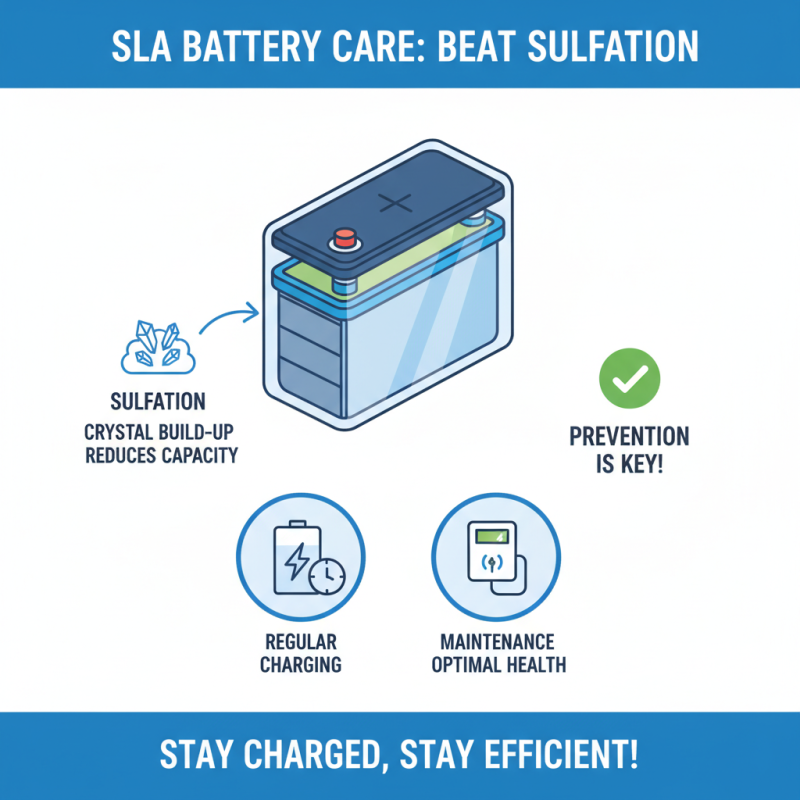
Sealed lead acid batteries are widely used, yet many face challenges in maintaining their performance. One common issue is sulfation. This occurs when lead sulfate crystals build up on the battery plates. It reduces capacity and efficiency. Keeping the battery charged is crucial. Regularly checking the charge can prevent sulfation. Ideally, a maintenance charger should be used. It helps keep the battery topped up without overcharging.
Another issue is temperature management. Sealed lead acid batteries perform poorly in extreme conditions. High heat can evaporate the electrolyte inside the battery. Cold temperatures can reduce their capacity significantly. To combat this, store batteries in a climate-controlled environment. Insulation might be necessary for outdoor storage. Avoid leaving batteries in very hot or cold places for extended periods.
Over time, batteries can lose their ability to hold a charge. This can be frustrating, especially in critical applications. Users often wait too long to replace aging batteries. Monitoring performance regularly can help in identifying when a battery needs replacing. Ignoring this can lead to unexpected failures. Regular maintenance and attention can ensure your sealed lead acid batteries perform optimally.