
Choosing the right Fog Fountain begins with understanding where mist, water, light, and maintenance intersect.
Market data offers useful direction, but it has limitations. Grand View Research’s water-feature market analysis groups fountains by indoor, outdoor, residential, and commercial applications. It does not isolate Fog Fountain models. Reports from MarketsandMarkets on humidification technology similarly emphasize output control, energy use, and operating conditions. These gaps matter. A decorative fountain is not automatically an effective fog system.
Mark Fuller, founder of WET Design, described water as “the most evocative element in the world.” His observation explains why fog fountains attract attention. Fine mist can float above a shallow basin, catch blue lighting, and soften the sound of pumps. Yet beauty alone should not decide the purchase. Buyers should compare ultrasonic, high-pressure, and dry-ice fog systems carefully. Each type creates a different atmosphere, cleaning routine, and safety profile.
Ultrasonic models often suit indoor displays. They can produce a smooth, cloud-like effect with relatively quiet operation. High-pressure systems may create stronger outdoor columns, but they usually require more careful filtration. Dry-ice systems create dramatic, low-lying fog, although the effect is temporary and needs regular replenishment.
The practical details are easy to overlook. Check mist output, tank capacity, pump noise, replacement-part access, and water-quality requirements. A unit may look impressive in a showroom, then struggle beside an open window. That is a common buying mistake.
This guide compares the top Fog Fountain types by visual effect, installation needs, operating cost, and long-term reliability. The best choice may be less dramatic, but more dependable.
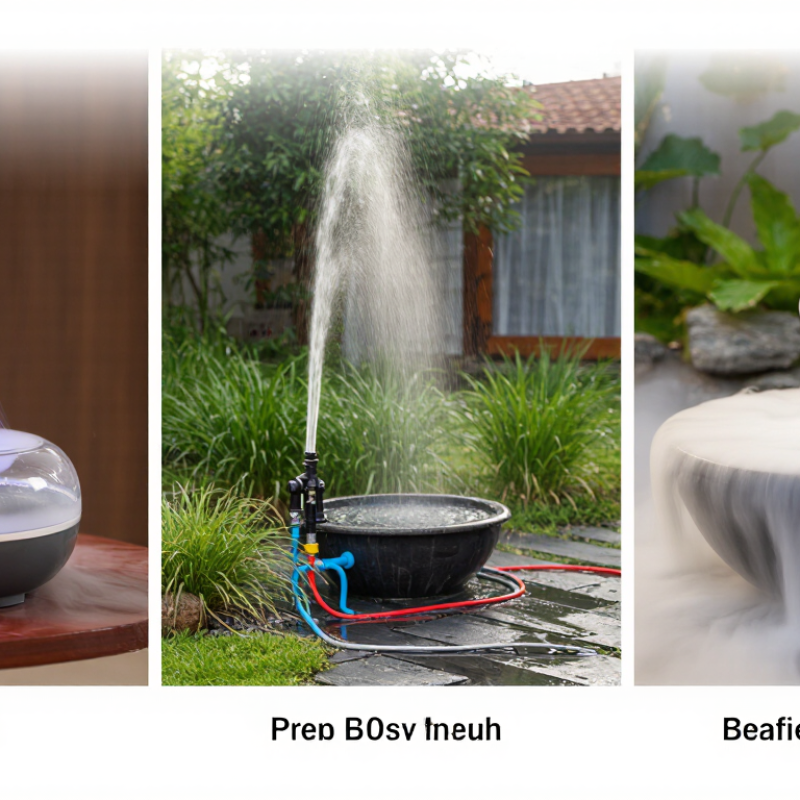
A fog fountain is a decorative water feature that turns liquid into a cool mist. Most models use ultrasonic technology. A piezoelectric transducer vibrates thousands of times per second. This vibration breaks water into tiny droplets. A small fan then pushes the mist across the basin, creating a low, cloud-like effect.
ASHRAE’s 2024 HVAC Systems and Equipment Handbook identifies ultrasonic humidification as a non-heating atomization method. That explains why fog fountains usually consume less heat energy than steam systems.
Common types include single-disc ultrasonic units, multi-disc units, and high-pressure mist systems. Single-disc models suit small bowls. Multi-disc models create denser fog. High-pressure systems work better in larger installations, but they need stronger pumps and cleaner filters.
Water quality matters more than many buyers expect. The U.S. Environmental Protection Agency warns that ultrasonic devices can disperse minerals from untreated water. White dust may appear nearby. WHO’s 2021 Global Air Quality Guidelines set PM2.5 limits at 5 µg/m³ annually and 15 µg/m³ over 24 hours. These values are not fountain limits, but they support careful ventilation and maintenance. I find “fountain” slightly misleading here. It suggests flowing water, while the visual effect depends mainly on vibration, airflow, and droplet control. Regular cleaning remains essential, even when the mist looks perfectly clean.
Fog fountains are decorative water features that create a low, cloudlike mist above the surface. Their main types differ by fog source, operating cost, and maintenance needs.
Ultrasonic fog fountains use vibrating ceramic discs to turn water into cool mist. They are quiet and suitable for bedrooms, reception areas, and small indoor displays. The fog stays close to the water when airflow is limited. However, mineral deposits can reduce output and shorten disc life. Filtered or distilled water usually helps. In practical installations, I check the water level daily because a dry reservoir can damage the mist module.
Dry ice fountains create dense, dramatic fog when solid carbon dioxide meets warm water. The fog rolls downward and looks effective on stages, photography sets, and large decorative pools. This effect is temporary and needs frequent refilling. It also requires good ventilation and careful handling by trained adults. Dry ice should never be sealed in a container. The visual impact is strong, but the running process is less convenient.
Low-lying fog machines use a fluid-based heater and a cooling system. They can cover wider areas and offer more consistent output than ultrasonic models. They need approved fluid, regular cleaning, and adequate airflow. I have found that many buyers underestimate cleaning time. A compact ultrasonic fountain may be easier for daily use, while a cooled fog machine suits larger displays. Room size, noise tolerance, water quality, and operating habits should guide the purchase.
| Fog Fountain Type | How It Works | Fog Appearance | Typical Fluid or Material | Typical Operating Time | Best Applications | Main Advantages | Important Limitations |
|---|---|---|---|---|---|---|---|
| Ultrasonic Water-Mist Fountain | Piezoelectric transducers vibrate water at ultrasonic frequency and break it into fine droplets. | Cool, white mist that rises gently from the water surface and can be illuminated. | Clean water; distilled or demineralized water can reduce mineral deposits. | Usually several hours per fill, depending on reservoir size and mist output. | Indoor tabletop fountains, exhibitions, home décor, spas, and quiet installations. | Quiet operation, low heat, low energy consumption, and no fog fluid required. | Mist is sensitive to airflow; mineral buildup and stagnant water require regular cleaning. |
| Water-Based Heated Fog Fountain | A heater vaporizes a water-based fog fluid, while a fan distributes the generated aerosol. | Dense, theatrical fog that can be directed around a fountain or stage feature. | Commercial water-based fog fluid formulated for compatible machines. | Typically continuous operation while fluid and power are available, subject to duty-cycle limits. | Events, performances, themed displays, photo areas, and large decorative installations. | High output, adjustable timing, and broad control over fog density and direction. | Needs approved fluid, electrical power, ventilation, and periodic cleaning of the fluid path. |
| Low-Lying Fog Fountain | Fog is cooled, commonly with an integrated cooling system or another approved method, so it remains close to the floor. | A cloud-like, ground-hugging layer that flows around the base of a fountain. | Water-based fog fluid; some systems use chilled water or another dedicated cooling method. | Commonly operates for the duration of a performance or programmed display. | Weddings, stage effects, themed attractions, product presentations, and entrance displays. | Creates a dramatic floor-level effect with less upward spread than ordinary fog. | Performance depends on room temperature, ventilation, humidity, and the cooling system. |
| Dry-Ice Fog Fountain | Dry ice is placed in warm water, causing carbon dioxide to sublimate and produce a dense fog. | Very dense, cool fog that stays low and spills over the edge of a suitable container. | Food-grade dry ice and warm water; dry ice is consumed during operation. | Usually minutes rather than hours per batch, depending on dry-ice quantity and water temperature. | Short demonstrations, stage moments, photography, and special-event effects. | Produces exceptionally dense low fog without a heated fogger or fog-fluid residue. | Requires careful handling, fresh dry ice, suitable ventilation, and protection from direct skin contact. |
| CO₂ Fog-Jet Fountain Effect | Liquid carbon dioxide expands rapidly through a specialized nozzle, creating a short burst of visible condensation. | Fast, bright-looking white plumes or jets that rise and disperse quickly. | Liquid carbon dioxide supplied in a compatible pressurized cylinder system. | Short bursts controlled by a timer or control system rather than continuous fogging. | Concerts, outdoor events, product launches, and high-impact stage moments. | Instant visual impact, rapid dissipation, and no water-based fog fluid. | Requires trained operators, approved equipment, secure cylinders, and adequate ventilation. |
| Fan-Assisted Mist Fountain | A fan pushes water mist or fog through a decorative outlet to increase spread and movement. | Visible drifting mist with a wider, more directional pattern than a passive fountain. | Water for misting systems or compatible water-based fog fluid, depending on the design. | Several hours when supplied with adequate water or fluid and electrical power. | Outdoor patios, garden displays, retail features, and ventilated public spaces. | Improves mist distribution and allows the effect to cover a larger visible area. | Fan noise, water drift, wind sensitivity, and possible moisture around nearby surfaces. |
What Are the Top Fog Fountain Types to Buy?
Indoor and outdoor fog fountains create very different experiences. Indoor models usually suit living rooms, offices, meditation spaces, and reception areas. Their fog is often finer and easier to control. A compact basin, quiet pump, and adjustable mist output matter most indoors. I have found that excessive moisture can collect on nearby glass, wood, or electronics. A stable, sealed design helps prevent messy surprises. The effect is intimate, almost theatrical.
Outdoor fog fountains need stronger construction. They face wind, dust, rain, temperature changes, and uneven ground. Wider bowls and heavier bases provide better stability. Outdoor units also need pumps designed for longer operation. Wind can scatter the fog quickly. That detail is easy to underestimate. Placement near a wall, plant bed, or sheltered patio usually improves the visual effect. However, blocked areas can collect dampness and encourage algae if maintenance is ignored.
The best type depends on location, climate, noise tolerance, and cleaning habits. Ultrasonic fog systems can produce dense mist, while conventional water features may offer a softer effect. Check water-level protection, replaceable parts, cable safety, and cleaning access before buying. Follow the installation instructions carefully, especially around electrical connections. My own preference changes with the setting. A dramatic outdoor fountain may feel excessive indoors, while a delicate indoor model can disappear outside. Performance also varies with water quality, so a filtered supply may reduce mineral buildup. Expect some trial and error.
When comparing fog fountain types, buyers should begin with the fog effect they actually need. Ultrasonic fog fountains create a cool, low-lying mist from water. Dry-ice models produce denser clouds, but they require careful handling and frequent replenishment. For homes, galleries, and small events, ultrasonic units are usually easier to control. A stronger model is not always better.
Check the fog output in cubic metres per hour, not just promotional descriptions. A compact room may become damp with excessive mist. Look for adjustable output, a stable water tank, and an automatic shutoff when the water runs low. These details protect the device and reduce interruptions. LED colour controls can improve the display, but brightness and colour accuracy vary. Test them in the intended lighting.
Noise deserves attention. A fountain that sounds like a small pump may distract guests during speeches or performances. Review the power cable length, timer functions, remote range, and cleaning access. Removable water trays are useful because mineral deposits build quickly in hard water. An outdoor unit also needs suitable weather resistance, though weather resistance does not mean full waterproofing. I would compare independent user measurements with technical specifications, since both can be incomplete. Some advertised coverage figures assume ideal conditions. That rarely matches a crowded room.、】【
Choosing the right fog fountain starts with its setting, water quality, and maintenance access. Ultrasonic models create dense fog quietly, making them suitable for indoor displays. Low-pressure misting systems cover larger areas but need cleaner nozzles and stronger ventilation. Dry-ice fountains produce dramatic, ground-level fog, yet they require careful carbon dioxide control and frequent handling.
Check the reservoir size, replacement parts, noise rating, and cleaning instructions before buying. A hidden tank looks attractive, but it can become difficult to inspect. EPA WaterSense reports that household leaks waste nearly 10,000 gallons of water annually. A small fountain leak may not seem serious, but ignored seals still increase waste and damage nearby surfaces. I have found that accessible drains are worth more than decorative complexity.
Maintenance should include removing mineral deposits, changing water regularly, and disinfecting surfaces according to the manufacturer’s instructions. Do not rely on appearance alone. ASHRAE Standard 55 commonly uses 30% to 60% relative humidity as a comfort range, while EPA guidance often targets 30% to 50% indoors. Use a hygrometer near the fountain, especially in enclosed rooms. Clean the ultrasonic disc gently. Replace cracked tubing promptly. My earlier mistake was cleaning only the basin; hidden tubing also collected residue. Keep airflow moving, and stop operation when condensation appears on floors, glass, or nearby electronics.