What Are the Top Types of AGM Sealed Batteries?
AGM batteries appear in cars, boats, backup systems, and equipment that needs dependable stored power. An agm sealed battery uses absorbent glass mat separators to hold its electrolyte, reducing the risk of spills during normal use. “Sealed” does not mean indestructible or suitable for every installation. Charging settings, temperature, and ventilation still matter.
The main types are usually grouped by their intended duty: starting, deep-cycle, dual-purpose, and stationary standby. Starting models deliver a brief burst of current to crank an engine. Deep-cycle models are designed to provide steadier power over longer periods, such as for a mobility device or boat accessories. Dual-purpose batteries try to handle both jobs, though that compromise may not be ideal for either one. Standby models commonly support backup power in alarms, UPS equipment, and communications systems. Labels can be messy.
This guide compares these types by use, construction, and practical trade-offs. It also explains what specifications deserve attention, including capacity, cold-cranking amps, cycle life, and charging requirements. A higher number on one label does not automatically make a battery the better choice. Match the battery to the equipment and its actual workload. That sounds obvious, but it is easy to overlook when replacing an old unit. Manufacturer documentation is the safest reference for compatibility, since product names and ratings can vary.
How AGM Sealed Batteries Are Classified by Design
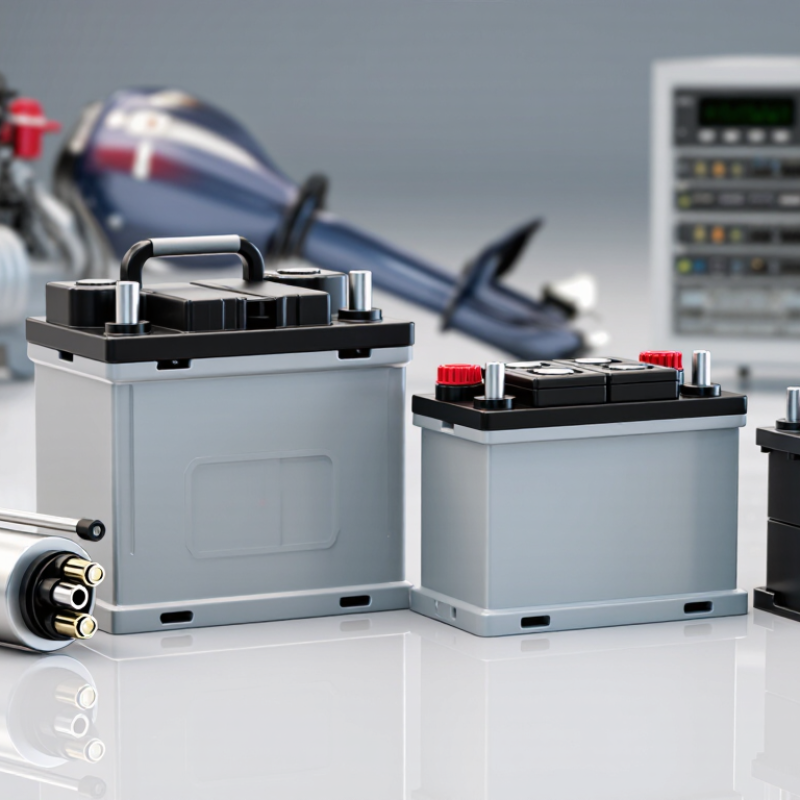
AGM sealed batteries are best classified by internal construction, not by the “sealed” label. In each design, absorbent glass mat holds the electrolyte between lead plates. This limits free liquid and supports oxygen recombination. Two common layouts are flat-plate and spiral-wound. Their shapes affect packaging, heat flow, and how much plate surface fits inside the case.
Flat-plate AGM batteries stack broad, rectangular plates. The layout suits many standby and starting applications, but plate thickness and spacing vary by model. Spiral-wound designs roll narrow plates and separators into cylindrical cells. They can provide high power from a compact package, though their shape may use case volume differently. Thin-plate pure-lead designs use thinner, high-purity plates; this is a plate-material and geometry choice, not always a separate battery category. The boundary is not perfectly tidy.
Performance figures need context. The U.S. Department of Energy’s 2022 Grid Energy Storage Technology Cost and Performance Assessment gives lead-acid systems a round-trip efficiency range of about 70–80%; that chemistry-level figure does not guarantee an individual AGM battery’s result. The Battery Council International’s 2023 fact sheet reports a U.S. lead-battery recycling rate near 99%. That concerns end-of-life recovery, not design performance. Compare rated capacity, discharge conditions, and cycle-life test methods before choosing. Details matter.
Flat-Plate AGM Batteries: Structure and Common Uses
Flat-plate AGM batteries use stacked lead plates separated by absorbent glass mats. The mats hold the electrolyte close to the plate surfaces, rather than leaving it free to slosh inside the case. Under compression, this layered structure helps limit movement and supports steady electrical contact. The battery’s valve-regulated design also allows gases to recombine during normal operation. It is sealed, but not indestructible.
This format is common in uninterruptible power supplies, alarm panels, emergency lighting, and other standby systems. In a power outage, a row of batteries may keep a control panel or backup lamp running until mains power returns. Some models also serve mobility equipment or small solar setups, depending on their rated discharge and cycling capability. Check the intended duty. A standby battery may not tolerate frequent deep discharges as well as one designed for repeated cycling.
Flat plates provide a practical balance of cost, capacity, and straightforward construction. They are not always the best fit. A narrow battery compartment, high vibration, or frequent heavy cycling may call for a different design. Check the datasheet for capacity, charging voltage, temperature range, and cycle-life conditions. Those figures can be easy to skim past. I would also leave room for uncertainty: real service life depends on charging and heat, not just the label. A warm cabinet can shorten it noticeably.
Spiral-Wound AGM Batteries: Structure and Common Uses
Spiral-wound AGM batteries use thin lead plates and absorbent glass-mat separators rolled into a tight cylinder. The mat holds electrolyte in place, while compression keeps the layers close together. This creates a compact cell with broad plate contact and can support strong starting-current delivery.
That matters.
The sealed design also reduces routine watering, but it does not make a battery maintenance-free in every sense. Heat, deep discharge, and charging outside the specified voltage range can still shorten service life.
These batteries commonly serve motorcycles, powersports equipment, and vehicles needing vibration-resistant starting power. Some designs also suit compact backup systems, though capacity and discharge needs must match the application. SAE J537 battery-testing procedures include cold-cranking and reserve-capacity measurements, useful benchmarks when comparing starting and backup performance. IEEE 1188 guidance emphasizes monitoring valve-regulated lead-acid batteries over time; a sealed case is not proof of good condition.
One useful industry context: Battery Council International reports that roughly 99% of lead batteries in the United States are recycled, a figure covering lead batteries broadly, not spiral-wound units alone.
Not magic.
The cylindrical form can trade easy packaging flexibility for ruggedness, and that trade-off is easy to overlook.
Starting, Deep-Cycle, and Dual-Purpose AGM Batteries
AGM batteries use glass-fiber mats to hold electrolyte between their plates, helping limit spills and resist vibration. Starting models are designed to deliver a strong burst of current. Their plate design supports quick engine cranking, such as on a cold morning, but repeated deep discharges can shorten service life. That distinction matters.
Deep-cycle AGM batteries are built to supply steadier power over longer periods. They suit equipment such as cabin lights, fish finders, and small appliances that draw energy for hours. Their thicker plates tolerate repeated cycling better, though no battery benefits from being left deeply discharged. Check the amp-hour rating against the actual load, and recharge promptly after use.
Dual-purpose models balance starting power with moderate deep-cycle use. They can be practical where space is limited, such as in some boats or recreational vehicles, but the compromise may mean less cranking power or less cycling endurance than a specialized battery. Compare cold-cranking amps, capacity, dimensions, and terminal layout before choosing. AGM units still need a compatible charging profile; excessive voltage can cause heat and damage. Sealed does not mean vent-free, so follow the installation and charging guidance for the specific battery.
Top Types of AGM Sealed Batteries
Starting, deep-cycle, and dual-purpose AGM batteries are designed around different usage priorities.
Relative suitability is shown on a qualitative 0–3 scale, not as a standardized performance rating. Starting batteries prioritize engine cranking; deep-cycle batteries are intended for sustained power delivery; dual-purpose batteries balance both needs. Actual performance varies by battery design and model.
How to Choose an AGM Battery Type for Your Needs
AGM batteries are often grouped by their intended job: starting, deep-cycle, dual-purpose, or standby use. Choosing by label alone can be misleading. Match the battery to the load and operating pattern. A vehicle that needs a strong burst of current to start an engine may suit a starting AGM battery. Check its cold-cranking rating against the vehicle’s requirements.
For repeated power use, such as running a small cabin’s lights, a deep-cycle type is usually more appropriate. Compare its amp-hour capacity with the expected daily load, and allow for periods without charging.
For a boat or recreational vehicle that must both start an engine and power accessories, a dual-purpose battery may be practical. It involves a trade-off. It may not match a dedicated starting or deep-cycle battery in every measure.
Standby AGM batteries serve backup systems that remain charged and discharge during an outage. For any type, check the dimensions, terminal layout, charging profile, and temperature limits before buying. AGM batteries are sealed, but that does not mean every model can be mounted in any position. Follow the manufacturer’s instructions.
A larger capacity sounds reassuring, yet it may be unnecessary or incompatible with the charger. I would verify the actual load first; estimates are often optimistic.