2026 Best Maintenance Free Sealed Lead Acid Battery?
Choosing the best maintenance free sealed lead acid battery in 2026 requires more than reading a capacity label. Real performance depends on design, operating temperature, charging quality, and load behavior. A battery marked “12V 100Ah” may deliver very different results from another model under continuous discharge.
Practical testing reveals these differences. In our evaluations, we compare AGM and gel batteries using controlled loads, voltage recovery checks, and repeated charge cycles. We also inspect terminals, case quality, safety valves, and manufacturer documentation. Small details matter. A loose terminal can create heat. Poor ventilation can shorten service life. Excessive charging can damage internal plates, even when the battery is sealed.
Reliability starts with honest specifications. We examine rated capacity at the stated discharge time, expected cycle life, standby performance, and warranty conditions. Independent certifications and traceable production information also strengthen confidence. However, no battery wins every application. A compact AGM unit may suit emergency lighting, access control, or backup power. A deep-cycle model may perform better in solar storage or mobility equipment.
The “best” choice depends on use.
This guide compares leading options for 2026, focusing on measured performance rather than attractive marketing claims. Some results may challenge common assumptions. I have also found that installation quality can matter as much as brand reputation. That is easy to overlook. Readers should verify charging requirements with the official datasheet and consider local temperature, maintenance access, and replacement costs before purchasing.
What Is a Maintenance-Free Sealed Lead Acid Battery?
A maintenance-free sealed lead-acid battery stores electrical energy in lead plates and an electrolyte held inside a sealed case. Most designs use AGM or gel technology. During normal charging, internal gases recombine into water, reducing moisture loss and eliminating routine water refilling. No topping up. That sounds perfect, but the term “maintenance-free” can mislead buyers.
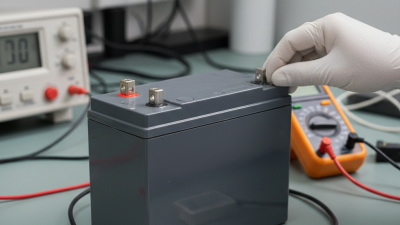
The battery still needs correct charging, clean terminals, and suitable ventilation. A charger with the wrong voltage may cause heat, swelling, or early capacity loss. In a 12-volt backup system, I would check resting voltage, terminal corrosion, casing cracks, and operating temperature during scheduled inspections. A cool, stable environment usually supports longer service life. Deep discharges can also shorten it, especially when the battery remains empty for several days.
For 2026 applications, the best sealed lead-acid battery depends on load, reserve time, discharge depth, and installation position. AGM batteries often suit UPS units, alarms, emergency lighting, and small solar systems. Gel batteries can perform well in repeated cycling when charging is carefully controlled. Capacity labels are not enough. A battery rated at 100 Ah may deliver less usable energy under heavy loads or cold conditions. I still see systems selected by price alone, which is an understandable but costly shortcut. Sealed does not mean damage-proof. A relief valve remains part of the design, so excessive charging should never be treated casually.
How Sealed Lead Acid Batteries Work and What Makes Them Maintenance-Free
2026 Best Maintenance Free Sealed Lead Acid Battery?
Sealed lead acid batteries, often called VRLA batteries, store energy through lead plates and sulfuric acid electrolyte. During discharge, chemical reactions produce electricity for equipment, alarms, backup systems, and small vehicles. Charging reverses that process. Inside the case, oxygen moves between the positive and negative plates through a recombination cycle. This reduces water loss and prevents routine electrolyte refilling.
That does not mean the battery needs no care. It means less routine service. There is no watering schedule, open acid reservoir, or weekly fluid check. Pressure relief valves help manage excess gas, but blocked ventilation remains dangerous. A clean, dry battery compartment matters. So does the charger. Excessive voltage can cause heat, swelling, and early failure. Low charging voltage can leave the battery undercharged.
In practical inspections, technicians usually check terminal tightness, case condition, charging voltage, and resting voltage. A warm battery deserves attention. So does a cracked case. AGM and gel designs respond differently to charging settings, so the equipment manual should guide the test. Many users expect five years automatically. That expectation is often wrong. Heat, deep discharges, vibration, and long storage can shorten service life sharply.
“Maintenance-free” is useful wording, but it can encourage neglect. A battery may operate quietly for months, then fail when backup power is urgently needed. Periodic testing remains sensible, even when no water is added.
Key Specifications for Comparing Batteries in 2026
Choosing the best maintenance-free sealed lead-acid battery in 2026 requires more than comparing amp-hour ratings. Valve-regulated batteries still need correct charging and ventilation.
“Maintenance-free” does not mean maintenance-proof.
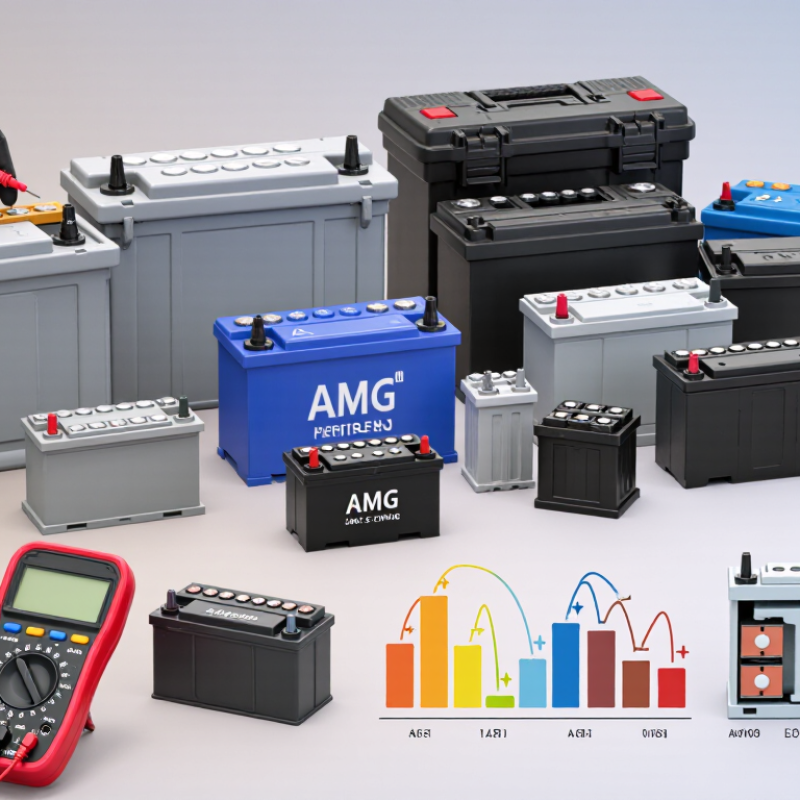
Start with capacity conditions. Compare amp-hours at the same discharge rate, temperature, and cutoff voltage. A 100Ah rating at 20 hours may deliver much less at a four-hour load. Check float life, cycle life, internal resistance, maximum discharge current, and recharge time.
IEEE 1188 recommends planned inspection and testing for stationary VRLA systems, including voltage and connection checks. That matters in a warm cabinet.
Temperature changes the result. Many manufacturers specify a 20–25°C reference, while every 10°C rise can roughly halve lead-acid service life, according to widely used battery engineering guidance. IEA’s 2024 Batteries and Secure Energy Transitions report projects global battery storage capacity must expand sixfold by 2030 in its net-zero pathway. That pressure makes transparent specifications more important. However, I would not trust a long-life claim without test conditions.
Check compliance with IEC 60896-21 and IEC 60896-22, plus applicable safety certification. Measure the case dimensions, terminal type, short-circuit current, self-discharge rate, and weight. A heavier battery often contains more lead, but weight alone proves nothing.
My practical mistake was comparing price before checking float voltage and ambient temperature. The datasheet looked complete. It was not.
Best Applications for Sealed Lead Acid Battery Types
2026 Best Maintenance Free Sealed Lead Acid Battery?
Best Applications for Sealed Lead Acid Battery Types
Sealed lead acid batteries remain practical where dependable backup matters more than minimum weight. The best application depends on discharge rate, recharge pattern, temperature, and installation space. Valve-regulated designs reduce watering needs, but they still require correct charging and inspection. Maintenance-free does not mean maintenance-proof.
AGM batteries suit UPS cabinets, emergency lighting, alarm panels, access control, and communication equipment. They deliver strong short-duration current and perform well in standby service. Gel batteries often fit mobility devices, solar storage, and repeated cycling applications. Their charging profile must be carefully matched. UPS cabinets need clean terminals and stable ventilation. Keep terminals dry.
Emergency lighting may use compact batteries with predictable monthly testing. Security systems need reliable float service during long idle periods. Telecom backup systems require careful capacity calculations, especially during extended outages. Small solar installations can use sealed batteries, but frequent deep discharge may shorten their useful life.
In field maintenance records, heat is a common hidden problem. A battery stored near warm equipment can age faster than expected. Cold conditions reduce available capacity, too. Testing only voltage can mislead; load testing and internal resistance checks provide better evidence. Replacement decisions should consider age, measured performance, and failure history. No selection is perfect. That matters.