How to Choose a Sealed Battery for Global Sourcing?
Choosing a sealed battery for global sourcing requires more than comparing prices and voltage ratings. It demands a clear view of performance, safety, compliance, and supplier reliability. A suitable battery should match the equipment’s load profile, operating temperature, charging method, and expected service life. Small mismatches can cause overheating, reduced capacity, or early replacement.
Real sourcing decisions often begin with practical details. Is the battery used in a medical backup system, security panel, solar installation, or industrial vehicle? A sealed lead-acid battery may suit standby applications, while lithium-based options can reduce weight and improve cycle life. However, chemistry alone does not guarantee quality. Buyers should review capacity tests, production records, warranty terms, and traceable quality controls. Ask for current certification documents.
Global shipping adds another layer of risk. Packaging must protect terminals from short circuits, vibration, moisture, and impact. Transport classification and destination requirements should also be checked before ordering. A dependable supplier can explain test standards, labeling, batch control, and after-sales support without avoiding specific questions.
Do not trust impressive brochures alone. Request samples.
This guide examines how to compare suppliers, verify technical claims, and estimate the full landed cost of a sealed battery. It also considers lead times, minimum order quantities, replacement planning, and communication across regions. Some decisions remain imperfect because field conditions differ from laboratory results. That uncertainty deserves attention, not concealment. Careful buyers document assumptions, test representative samples, and revise their supplier shortlist when evidence changes.
Define Sealed Battery Types and Their Core Applications
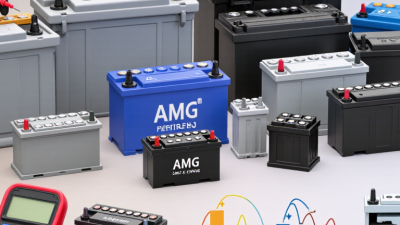
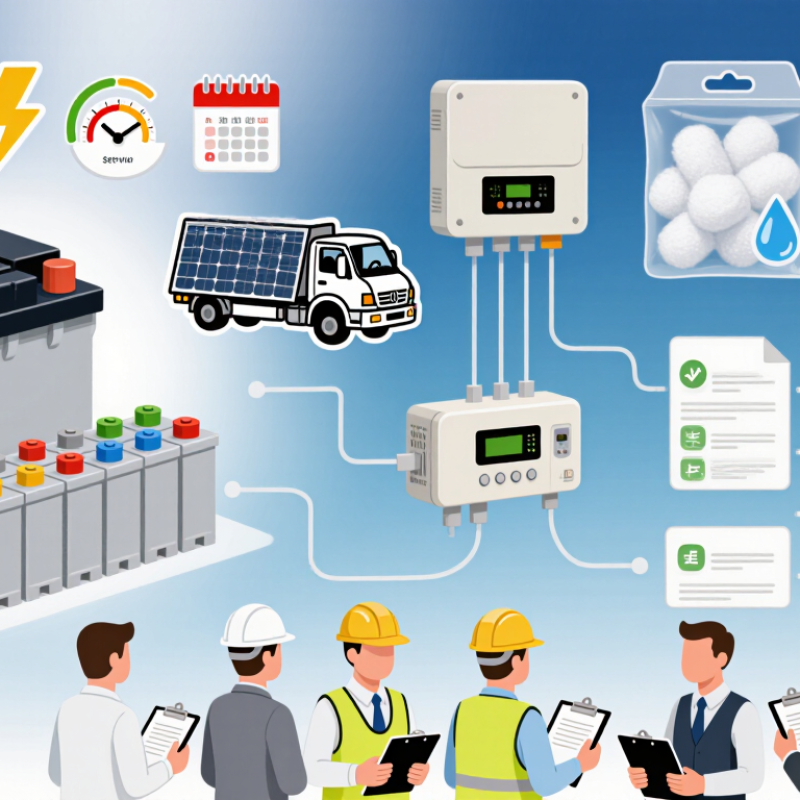
Sealed batteries are not one universal product. In global sourcing, the type must match the application, charging method, and working environment. Absorbent glass mat (AGM) batteries use a fiberglass separator to hold electrolyte. They suit alarm panels, emergency lighting, backup power, and small medical equipment. Gel batteries use silica-based electrolyte. They perform well in vibration-prone settings and repeated discharge cycles, such as mobility equipment and off-grid systems. Sealed lithium batteries offer lower weight and higher energy density. They are common in portable instruments, communication devices, and compact storage systems. They require compatible battery management and charging controls.
Core application matters more than a low unit price.
A standby system may remain idle for months, so low self-discharge and long float life are important. A delivery vehicle may need frequent cycling, stronger vibration resistance, and safe temperature control.
Check nominal voltage, capacity, cycle life, charging limits, terminal design, and enclosure protection. Testing should include sample inspection, capacity verification, and documentation review. A datasheet can look complete, yet still hide important limits.
Tips: Ask for safety certifications, transport documents, production records, and warranty terms before placing a large order. Confirm whether the stated capacity uses a specific discharge rate. It often does. I have seen sourcing decisions fail because buyers compared figures from different testing conditions. That mistake is easy to repeat. Evaluate local climate, storage time, after-sales support, and recycling requirements as well. Some “maintenance-free” batteries still need correct ventilation and charging. “Sealed” does not mean risk-free.
Match Voltage, Capacity, and Size to Equipment Requirements
When sourcing a sealed battery globally, start with the equipment, not the supplier catalogue. Confirm the required voltage before comparing prices. A small mismatch can cause poor performance or permanent equipment damage. Check whether the system needs a 12V, 24V, or another nominal rating. Also verify the charger’s output voltage, because charging requirements may differ.
Capacity should match the equipment’s real operating demand. Ampere-hours indicate stored energy, but they do not tell the whole story. Motors, alarms, and backup systems may draw high current during startup. Ask for discharge curves at the expected load and temperature. Estimate runtime under actual conditions, not ideal laboratory conditions. Add a reasonable reserve. Too little capacity creates frequent shutdowns, while excessive capacity adds cost and weight.
Physical fit is equally important. Measure length, width, height, terminal position, mounting space, and cable clearance. Check the battery’s weight and permitted installation orientation. Measure twice. I still recheck drawings after receiving samples, because a few millimeters can stop installation. For dependable global sourcing, request current datasheets, test reports, production dates, and packaging details. Confirm the battery’s operating temperature range and storage limits. Do not rely on a catalogue image alone. Supplier documents can contain omissions, and small details often require direct clarification. A sample test under the equipment’s real load remains more reliable than a confident specification sheet.
How to Choose a Sealed Battery for Global Sourcing? - Match Voltage, Capacity, and Size to Equipment Requirements
| Typical Equipment |
Nominal Voltage |
Rated Capacity
(C20) |
Approx. Dimensions
(L × W × H) |
Approx. Weight |
Common Terminal |
Global Sourcing Checkpoint |
| Emergency lighting, alarm panels, small backup devices |
6 V |
4–5 Ah |
70 × 47 × 101 mm |
0.8–1.0 kg |
F1 / F2 tab |
Confirm the equipment accepts a 6 V battery and check the tab width and insertion direction. |
| Security systems, access control, small UPS units |
12 V |
7–9 Ah |
151 × 65 × 94 mm |
2.2–2.7 kg |
F1 / F2 tab |
Verify the enclosure clearance, battery orientation, charging voltage, and required backup duration. |
| Access gates, medical equipment, portable power systems |
12 V |
12 Ah |
151 × 98 × 95 mm |
3.5–4.0 kg |
F1 / F2 tab |
Compare both capacity and maximum discharge current; higher Ah does not always mean higher starting performance. |
| Telecommunication backup, control cabinets, medium UPS units |
12 V |
18–20 Ah |
181 × 76 × 167 mm |
5.5–6.5 kg |
M5 bolt |
Check rack spacing, terminal access, cable lug compatibility, and the battery string configuration. |
| Mobility devices, floor-care equipment, small solar storage systems |
12 V |
26–28 Ah |
166 × 175 × 125 mm |
8.5–9.5 kg |
M5 bolt |
Confirm the required cycle life, discharge depth, mounting method, and charger compatibility. |
| Medium UPS systems, telecom cabinets, access infrastructure |
12 V |
33–40 Ah |
197 × 165 × 170 mm |
11.5–13.5 kg |
M5 / M6 bolt |
Measure the complete installation space, including cable bend radius and ventilation clearance. |
| Renewable-energy storage, industrial backup, mobility systems |
12 V |
65–75 Ah |
260 × 168 × 208 mm |
19–23 kg |
M6 bolt |
Assess cycle-life requirements, operating temperature, transport weight limits, and parallel-connection rules. |
| Large UPS systems, data-network backup, industrial control systems |
12 V |
90–100 Ah |
330 × 172 × 214 mm |
27–31 kg |
M6 / M8 bolt |
Confirm the maximum allowable internal resistance, short-circuit current, lifting method, and rack load rating. |
Selection Notes: Dimensions and weights are representative ranges for sealed valve-regulated lead-acid batteries. Capacity is commonly specified at a 20-hour discharge rate (C20); actual usable capacity varies with discharge current, temperature, age, and cutoff voltage. Always confirm the equipment manual, terminal type, charging profile, safety requirements, and applicable transport regulations before ordering.
Check Certifications, Manufacturing Quality, and Supplier Reliability
How to Choose a Sealed Battery for Global Sourcing?
Check certifications, manufacturing quality, and supplier reliability before comparing prices.
A certificate alone proves little if its scope does not match the battery model. Verify the issuing body, test standard, production site, and expiration date. Request recent reports for transport safety, electrical performance, and environmental compliance. Requirements can differ by destination market, so confirm them with a qualified compliance professional.
Manufacturing quality appears in small, repeatable details.
During a factory review, inspect incoming material records, cell matching, terminal welding, sealing, and pressure testing. Ask how each batch is identified and traced. Capacity tests should follow a documented method, not a convenient sampling routine. Check storage conditions too. Heat and long shelf periods can quietly reduce performance. A clean line helps, but it does not replace process data.
Supplier reliability is measured after the purchase order.
Review on-time delivery records, warranty rates, production capacity, and corrective-action speed. Ask for a realistic lead-time plan during peak demand. Then test communication with a technical question. Vague answers are warning signs. I once focused too heavily on unit cost and underestimated packaging consistency; several units arrived with damaged terminals. That mistake changed my audit checklist. Still, audits are only snapshots. Use pre-shipment inspections, sample testing, and regular performance reviews to challenge optimistic promises.
Compare Total Cost, Logistics, and Global Sourcing Risks
How to Choose a Sealed Battery for Global Sourcing?
A low unit price can hide expensive weaknesses. Compare total landed cost, not only the supplier’s quotation. Include testing, customized packaging, duties, insurance, inland transport, storage, and possible returns. A sealed battery with better cycle life may cost more initially but reduce replacement work. Yet performance claims need independent verification. Request test data from recent production batches, not only laboratory samples. Small details matter. Terminal protection and carton strength can prevent damage during long-distance handling.
Logistics can change the buying decision quickly. Check pallet density, container utilization, warehouse limits, and delivery lead times. Confirm the battery’s transport classification and required documents for every route. Rules may differ between origin, transit, and destination countries. Temperature exposure also deserves attention. A shipment waiting in a hot port may perform differently from one stored indoors. I would compare at least two routing options, because the cheapest route may create longer delays and higher inventory costs.
Global sourcing risks extend beyond transport. Review production capacity, quality controls, material traceability, payment terms, and business continuity plans. Currency changes can weaken a carefully calculated margin. Supplier audits help, but they are not perfect. A spreadsheet can still miss communication delays or inconsistent packaging. Build a small pilot order before committing to volume. Measure received capacity, leakage control, labeling accuracy, and claims response. Keep realistic safety stock, but avoid excessive inventory that ages quietly. The final choice should balance verified performance, predictable logistics, and the cost of being wrong.
How to Choose a Sealed Battery for Global Sourcing?
Compare total landed cost, logistics requirements, and global sourcing risks before selecting a battery technology.
Planning benchmark for 1,000 units of 12 V / approximately 100 Ah batteries delivered through an international ocean-freight lane.
Landed cost includes battery purchase, packaging and freight, import-related charges, and an inventory or quality-risk reserve.
The risk score is a comparative sourcing index based on transport restrictions, lead-time variability, supplier qualification, and compliance complexity; it is not a market statistic or a supplier quotation.